What Is the Aloe Vera Plant For: Scientific Proof of the Benefits of Aloe Vera: For many years, I saw the Aloe Vera plant in gardens, health stores, and skincare products. However, I did not fully understand its true potential. Many people mentioned its benefits casually. Some said Aloe Vera helps the skin. Others claimed it supports healing. Meanwhile, a few people even talked about its internal health benefits.
Because I work online and constantly research natural products, I decided to investigate the question that many people ask every day: What is the Aloe Vera plant for: Scientific proof of the benefits of Aloe Vera?
At first, I expected to find only traditional or anecdotal claims. However, as I continued researching, I discovered something surprising. Scientists, dermatologists, and researchers around the world have already studied Aloe Vera extensively. Therefore, the plant offers far more than simple folklore.
Consequently, I started reading clinical studies, scientific articles, and dermatological publications. Gradually, I realized that Aloe Vera contains a powerful combination of vitamins, enzymes, minerals, antioxidants, and polysaccharides. Because of this unique composition, Aloe Vera supports skin regeneration, hydration, inflammation control, and cellular repair.
Moreover, Aloe Vera belongs to the species Aloe barbadensis Miller, which scientists consider the most biologically active type of Aloe plant. Inside its thick leaves lies a transparent gel rich in nutrients. As a result, the gel delivers both cosmetic and therapeutic benefits.
Frequently Asked Questions About Aloe Vera
What is the Aloe Vera plant used for?
The Aloe Vera plant supports skin hydration, healing, soothing burns, reducing inflammation, and improving anti-aging skincare routines. Because the gel contains vitamins, minerals, and antioxidants, it helps protect and repair the skin naturally.
Is there scientific proof that Aloe Vera benefits the skin?
Yes. Multiple dermatological studies show that Aloe Vera improves skin hydration, accelerates wound healing, and reduces inflammation. These benefits come from nutrients like vitamins C and E and compounds that stimulate collagen production.
What nutrients are found in Aloe Vera gel?
Aloe Vera gel contains more than 75 active compounds. These include vitamins A, C, and E, several B vitamins, minerals like zinc and magnesium, enzymes, amino acids, and polysaccharides that support hydration and skin repair.
Can Aloe Vera help reduce wrinkles?
Yes. Aloe Vera contains antioxidants and compounds that stimulate collagen production. Therefore, regular use may help improve skin elasticity and reduce the appearance of fine lines and wrinkles.
Is Aloe Vera good for acne-prone skin?
Aloe Vera works well for acne-prone skin because it hydrates without clogging pores. Additionally, it contains antibacterial and anti-inflammatory compounds that help calm irritated skin.
Why do many skincare products include Aloe Vera?
Many skincare products include Aloe Vera because it hydrates, soothes irritation, supports healing, and protects the skin with antioxidants. Because it delivers multiple benefits, it has become one of the most popular natural skincare ingredients.
Why Aloe Vera Has Become One of the Most Popular Natural Ingredients
During my research, I also discovered that Aloe Vera ranks among the most widely used natural ingredients in the world. Today, cosmetic brands, dermatology laboratories, and wellness companies incorporate Aloe Vera into countless products.
However, Aloe Vera gained popularity long before modern skincare existed. In fact, ancient civilizations already recognized its value.
For example:
- Ancient Egyptians called Aloe Vera the “plant of immortality.”
- Greek physicians used Aloe Vera to treat skin injuries.
- Traditional Chinese medicine incorporated Aloe Vera into healing remedies.
- Indian Ayurvedic medicine used Aloe Vera to balance skin and digestion.
Because so many cultures independently recognized its benefits, Aloe Vera gradually earned a reputation as a powerful healing plant.
Nevertheless, modern science now confirms many of these traditional observations.
What Is the Aloe Vera Plant For: Scientific Proof of the Benefits of Aloe Vera
The Powerful Nutritional Composition of Aloe Vera
When researchers and botanists analyze the internal gel of the Aloe Vera plant, they consistently identify an impressive biochemical profile that explains why this plant has remained valuable in natural medicine and skincare for thousands of years. In fact, modern laboratory studies reveal that Aloe Vera contains more than 75 biologically active compounds, many of which directly support skin health, cellular repair, and tissue regeneration.
Because these compounds interact with human skin in multiple ways, Aloe Vera continues to attract significant scientific interest. Moreover, researchers continue discovering new therapeutic properties linked to the plant’s unique nutritional composition.
Therefore, when people ask, “What is the Aloe Vera plant for?”, the answer begins with understanding the extraordinary concentration of nutrients found inside its gel.
-
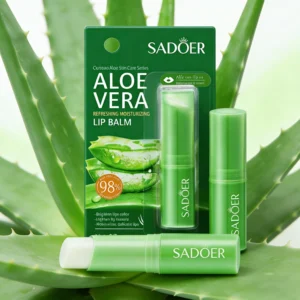
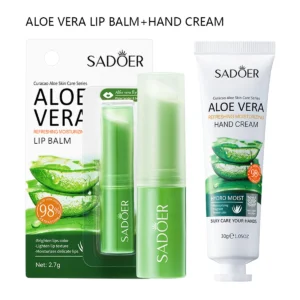
Aloe vera anti-aging lip moisturizer, Natural Lip Mask for Dry and Dehydrated Lips
Lip moisturizer $12.00 -
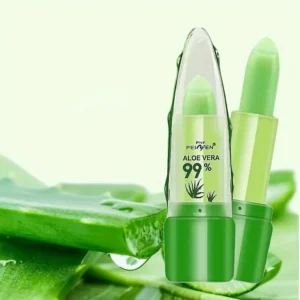
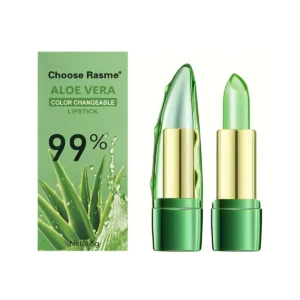
Aloe Vera Lipstick that Changes Color, Moisturizing and Rejuvenating Lip Balm with Aloe Vera
Lip moisturizer $13.00
Vitamins
First and foremost, Aloe Vera contains a rich collection of vitamins that support skin protection and cellular regeneration. Among the most important are vitamins A, C, and E, which function as powerful antioxidants.
These antioxidants protect skin cells from oxidative stress caused by pollution, UV radiation, and environmental toxins. Because oxidative damage accelerates premature aging, antioxidants play a crucial role in maintaining youthful skin.
Additionally, Aloe Vera contains several B vitamins, including vitamin B12 and folic acid. These vitamins contribute to healthy cellular metabolism and help support skin repair processes.
Consequently, when Aloe Vera gel comes into contact with the skin, these vitamins help nourish the tissue while protecting it from environmental damage.
Minerals
In addition to vitamins, Aloe Vera contains an impressive array of essential minerals. These include:
- Calcium
- Magnesium
- Zinc
- Selenium
- Potassium
- Sodium
- Copper
- Chromium
Each of these minerals plays a critical role in supporting healthy skin function.
For example, zinc helps regulate oil production and supports wound healing, while magnesium helps maintain cellular hydration balance. Meanwhile, potassium contributes to proper fluid distribution within skin tissues.
Because the skin constantly loses minerals through sweat and environmental exposure, replenishing these nutrients through Aloe Vera application helps maintain optimal skin health.
Enzymes
Another fascinating aspect of Aloe Vera involves its enzymatic activity. Scientists have identified several enzymes within the plant’s gel that contribute to its anti-inflammatory properties.
These enzymes help break down damaged proteins in the skin while supporting cellular regeneration. As a result, Aloe Vera helps calm irritated skin and reduces redness caused by environmental stress.
Consequently, many dermatologists recommend Aloe Vera-based products for individuals dealing with sensitive or inflamed skin conditions.
Polysaccharides
Among the most powerful compounds in Aloe Vera are polysaccharides, which function as natural moisture-binding molecules.
These polysaccharides attract and retain water within the skin. Therefore, Aloe Vera acts as a highly effective natural humectant, meaning it draws moisture from the environment and locks it into the skin.
Because proper hydration plays a crucial role in maintaining smooth, supple skin, polysaccharides help explain why Aloe Vera remains one of the most trusted natural moisturizers in skincare.
Amino Acids
Aloe Vera also contains essential amino acids, which serve as the building blocks of proteins responsible for skin structure and repair.
These amino acids help support tissue regeneration and strengthen the skin’s protective barrier.
Consequently, when Aloe Vera penetrates the skin, it not only hydrates the tissue but also helps reinforce the structural components that maintain skin elasticity and resilience.
Because Aloe Vera combines all these nutrients in a single natural gel, the plant offers a uniquely comprehensive approach to skincare and healing.
Why People Are Searching for Aloe Vera More Than Ever
In recent years, consumer behavior has shifted dramatically toward natural health solutions. Increasingly, people question synthetic chemicals commonly found in skincare products.
As a result, millions of consumers actively search for plant-based alternatives supported by scientific evidence.
This growing awareness explains why online searches for “What is the Aloe Vera plant for: Scientific proof of the benefits of Aloe Vera” continue rising each year.
People no longer want marketing promises. Instead, they want real scientific explanations and proven benefits.
Fortunately, modern research provides strong evidence supporting many of the traditional uses of Aloe Vera.
Clinical studies confirm that Aloe Vera supports hydration, skin repair, anti-inflammatory responses, and even collagen production. Consequently, dermatologists, researchers, and skincare professionals increasingly recognize the plant’s therapeutic potential.
Scarcity and the Importance of Authentic Aloe Vera
However, while Aloe Vera products appear everywhere in the cosmetic market, not all products contain authentic Aloe Vera gel.
In fact, many commercial formulations include only minimal Aloe extract combined with synthetic fillers.
Because of this reality, consumers must carefully evaluate product quality.
Authentic Aloe Vera requires proper cultivation, careful harvesting, and immediate processing to preserve its active compounds.
Furthermore, Aloe plants grow best in specific climates with controlled temperatures and adequate sunlight. Consequently, high-quality Aloe cultivation remains geographically limited.
This natural limitation creates an important dynamic in the skincare industry: true Aloe Vera products often become highly sought after and sometimes difficult to obtain.
Therefore, skincare experts frequently recommend choosing formulations that contain high concentrations of pure Aloe Vera gel.
When people finally experience the genuine benefits of authentic Aloe Vera, they rarely return to conventional chemical-heavy skincare products.
Scientific Proof of the Benefits of Aloe Vera for Skin Health
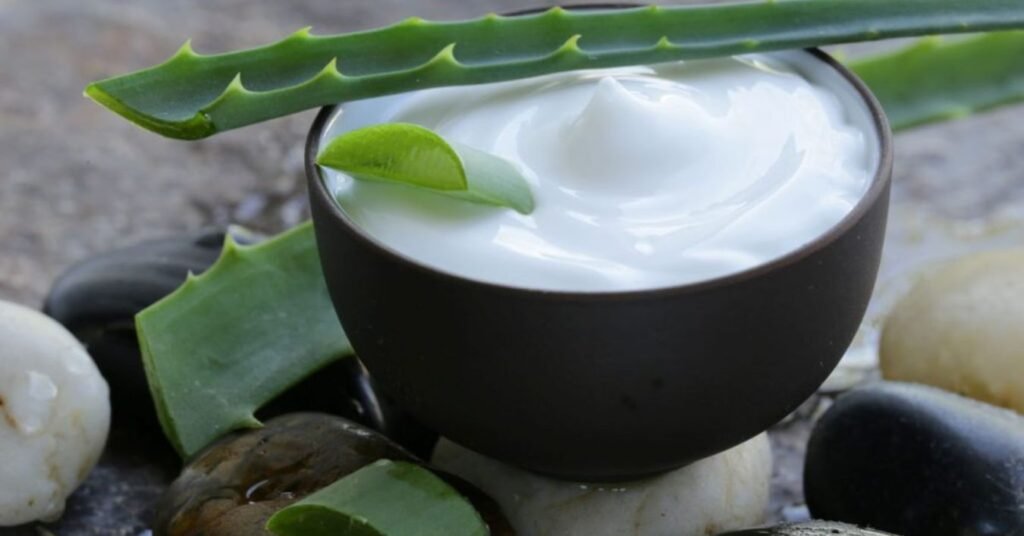
After discovering the impressive nutritional profile of Aloe Vera, I wanted to understand how these nutrients actually interact with human skin. Therefore, I began exploring dermatological research and clinical studies.
The more I researched, the clearer the evidence became.
Scientists across the world have conducted numerous studies evaluating the biological effects of Aloe Vera on skin tissue.
Interestingly, these studies consistently confirm that Aloe Vera supports multiple skin functions simultaneously.
Because Aloe Vera contains antioxidants, anti-inflammatory compounds, hydration molecules, and collagen-supporting nutrients, it addresses several major skin concerns at once.
Aloe Vera and Skin Hydration
Hydration represents one of the most critical factors in maintaining healthy skin.
When skin loses moisture, it becomes dry, rough, and significantly more vulnerable to environmental damage.
However, Aloe Vera offers a highly effective natural solution.
Because Aloe Vera contains polysaccharides capable of attracting water molecules, it functions as a powerful hydrating agent.
These molecules bind water within the skin layers, allowing the tissue to maintain hydration for extended periods.
Several dermatological studies demonstrate that regular Aloe Vera application significantly improves skin moisture levels.
Consequently, dermatologists often recommend Aloe Vera for individuals experiencing dry or dehydrated skin.
Aloe Vera and Skin Healing
Another remarkable property of Aloe Vera involves its ability to accelerate skin healing.
When skin experiences burns, irritation, or minor injuries, the body activates a complex repair process involving collagen production and cellular regeneration.
However, Aloe Vera enhances this natural process.
Because Aloe Vera contains glucomannan, a compound known to stimulate fibroblast activity, it promotes collagen synthesis within the skin.
Fibroblasts produce collagen, the structural protein responsible for maintaining skin strength and elasticity.
Therefore, Aloe Vera helps support faster regeneration of damaged skin tissue.
This healing ability explains why Aloe Vera frequently appears in products designed for:
- sunburn relief
- minor burns
- post-shaving irritation
- skin sensitivity
- wound healing support
Aloe Vera and Anti-Aging Support
Aging gradually affects every layer of the skin.
Over time, collagen production slows down, elasticity decreases, and fine lines begin to appear.
However, Aloe Vera contains nutrients that support the skin’s natural defense against aging.
Because Aloe Vera provides vitamins C and E, it protects skin cells from oxidative stress.
Additionally, antioxidants neutralize free radicals that damage collagen fibers.
As a result, Aloe Vera may help reduce the visible signs of aging, including:
- fine lines
- wrinkles
- uneven texture
- dull skin tone
Several clinical studies also show that Aloe Vera supplementation or topical use improves skin elasticity over time.
Therefore, many anti-aging skincare formulas now include Aloe Vera as a key ingredient.
Aloe Vera and Acne Control
Many individuals also use Aloe Vera to help manage acne-prone skin.
Because Aloe Vera contains antibacterial compounds, it helps reduce the bacteria responsible for acne formation.
At the same time, its anti-inflammatory properties calm irritated skin.
Furthermore, Aloe Vera hydrates the skin without clogging pores, making it suitable for individuals with oily skin.
Consequently, Aloe Vera offers a balanced approach to acne care by reducing inflammation while maintaining proper hydration.
Aloe Vera and Skin Brightening
Another scientifically observed benefit involves improvements in overall skin tone.
Because Aloe Vera promotes cellular turnover, it helps remove damaged surface cells gradually.
As older cells shed, new healthy cells replace them.
Therefore, skin begins to appear brighter, smoother, and more evenly toned.
Many formulations designed to reduce hyperpigmentation include Aloe Vera for this exact reason.
Why Aloe Vera Continues Gaining Scientific Attention
Because Aloe Vera demonstrates such a wide range of biological effects, scientists continue studying the plant extensively.
Today, researchers investigate Aloe Vera’s potential roles in dermatology, wound healing, inflammation control, immune response, and digestive health.
Consequently, Aloe Vera remains one of the most promising natural ingredients studied in modern skincare science.
Why Aloe Vera Has Become One of the Most Valuable Natural Plants in the World
As global awareness of natural wellness grows, Aloe Vera continues gaining recognition as one of the most valuable medicinal plants on Earth.
Consumers increasingly prefer plant-based skincare solutions that deliver results without harsh chemicals.
Because Aloe Vera satisfies this demand while offering scientifically supported benefits, the plant now appears in countless health and cosmetic products worldwide.
The Growing Global Demand for Aloe Vera
In recent years, the demand for Aloe Vera products has increased dramatically.
Consumers now seek natural ingredients capable of providing hydration, healing, and anti-aging protection.
Consequently, Aloe Vera appears in skincare products, wellness supplements, and dermatological treatments around the world.
However, high-quality Aloe Vera production remains limited.
Growing Aloe plants requires warm climates, controlled irrigation, and careful harvesting procedures.
Additionally, the gel must undergo immediate processing after harvest to preserve its active compounds.
Because of these requirements, authentic Aloe Vera products often remain limited in supply.
Aloe Vera in Modern Skincare and Wellness Products
Today, Aloe Vera appears in a wide variety of skincare products, including:
- facial moisturizers
- anti-aging creams
- acne treatments
- body lotions
- lip balms
- sunburn relief gels
- facial cleansers
- natural soaps
Manufacturers rely on Aloe Vera because it provides hydration, soothing properties, and skin repair benefits simultaneously.
Why Aloe Vera Works for Many Skin Types
Another reason Aloe Vera continues gaining popularity involves its versatility.
Because Aloe Vera hydrates without clogging pores, it works well for oily skin.
At the same time, its soothing properties benefit sensitive skin.
Meanwhile, its moisturizing compounds support dry skin.
Consequently, Aloe Vera suits nearly every skin type.
Why Authentic Aloe Vera Products Often Sell Out
As awareness of Aloe Vera benefits spreads globally, demand continues increasing rapidly.
However, producing premium Aloe Vera products requires strict quality control.
Because the plant begins losing potency shortly after harvest, manufacturers must process the gel quickly and carefully.
Therefore, only a limited number of suppliers maintain consistent quality standards.
As a result, authentic Aloe Vera products often sell out quickly.
Why Aloe Vera Deserves a Place in Every Skincare Routine
After studying the research and observing the benefits firsthand, it becomes easy to understand why Aloe Vera continues gaining worldwide recognition.
Because Aloe Vera supports hydration, skin repair, anti-aging protection, and inflammation control simultaneously, it offers one of the most versatile natural skincare solutions available today.
Even more importantly, Aloe Vera delivers these benefits naturally.
Consequently, individuals seeking safer and more effective skincare alternatives frequently choose Aloe Vera as a foundational ingredient in their daily routines.
Final Thoughts: What Is the Aloe Vera Plant For?
After exploring both traditional knowledge and modern scientific research, the answer becomes clear.
The Aloe Vera plant serves as a powerful natural solution for hydration, healing, skin protection, and anti-aging support.
Because scientific studies continue confirming its benefits, Aloe Vera remains one of the most valuable plants used in modern skincare and wellness.
And as more people discover the remarkable properties of this extraordinary plant, Aloe Vera will likely continue shaping the future of natural health and skincare.
Check out our products in our categories here: